


Industrial manufacturing relies heavily on sturdy, dimensionally stable components that withstand repeated stress, high pressure, and harsh working environments. Many equipment failures do not stem from major system breakdowns, but from low-quality stamped metal parts that deform, wear out quickly, or fail to match assembly tolerances. Choosing reliable custom precision metal stamping components directly reduces maintenance frequency, extends service life of machinery, and stabilizes overall production efficiency across automated, automotive, electrical, and mechanical assembly fields.
Most buyers only focus on surface dimensions and unit prices when purchasing stamping parts, ignoring hidden material fatigue, edge burr issues, and precision consistency across batch products. These overlooked defects gradually cause loose fitting, abnormal friction, and shortened service cycles of finished equipment. Professional manufacturing enterprises master complete material selection, mold design, and post-processing procedures to eliminate invisible quality risks that ordinary stamped parts cannot avoid. Our professional metal component processing factory adopts standardized full-process quality control to deliver stable batch products that meet strict industrial application standards.
Deep-seated problems behind inferior metal stamping parts include uneven material hardness, unreasonable mold clearance, incomplete deburring treatment, and lack of anti-corrosion surface treatment. Tiny burrs will scratch matching parts during long-term operation, abnormal clearance leads to positional deviation during assembly, and unqualified raw materials cause cracking under high-frequency impact. These problems cannot be detected by simple appearance inspection, but will expose serious safety hazards during formal continuous production.
Different industrial scenarios put differentiated requirements on thickness tolerance, flatness, bending angle, and surface smoothness of metal stamping parts. Automotive structural accessories require high impact resistance, electronic terminal parts demand ultra-small dimensional tolerance, and hardware accessories for outdoor machinery need excellent rust and oxidation resistance. Blindly using universal ordinary stamping parts will lead to mismatched performance, frequent replacement, and unnecessary extra production costs for enterprises.
Long-term operational experience shows that customized precision stamping parts can perfectly solve matching errors, durability shortages, and batch inconsistency problems troubling most processing purchasers. Reasonable stamping process optimization effectively improves structural strength while maintaining lightweight characteristics, helping downstream products achieve higher assembly accuracy and more stable operating performance in complex working conditions.
Core Performance Comparison Of Ordinary Stamping Parts & High-Precision Custom Stamping Parts
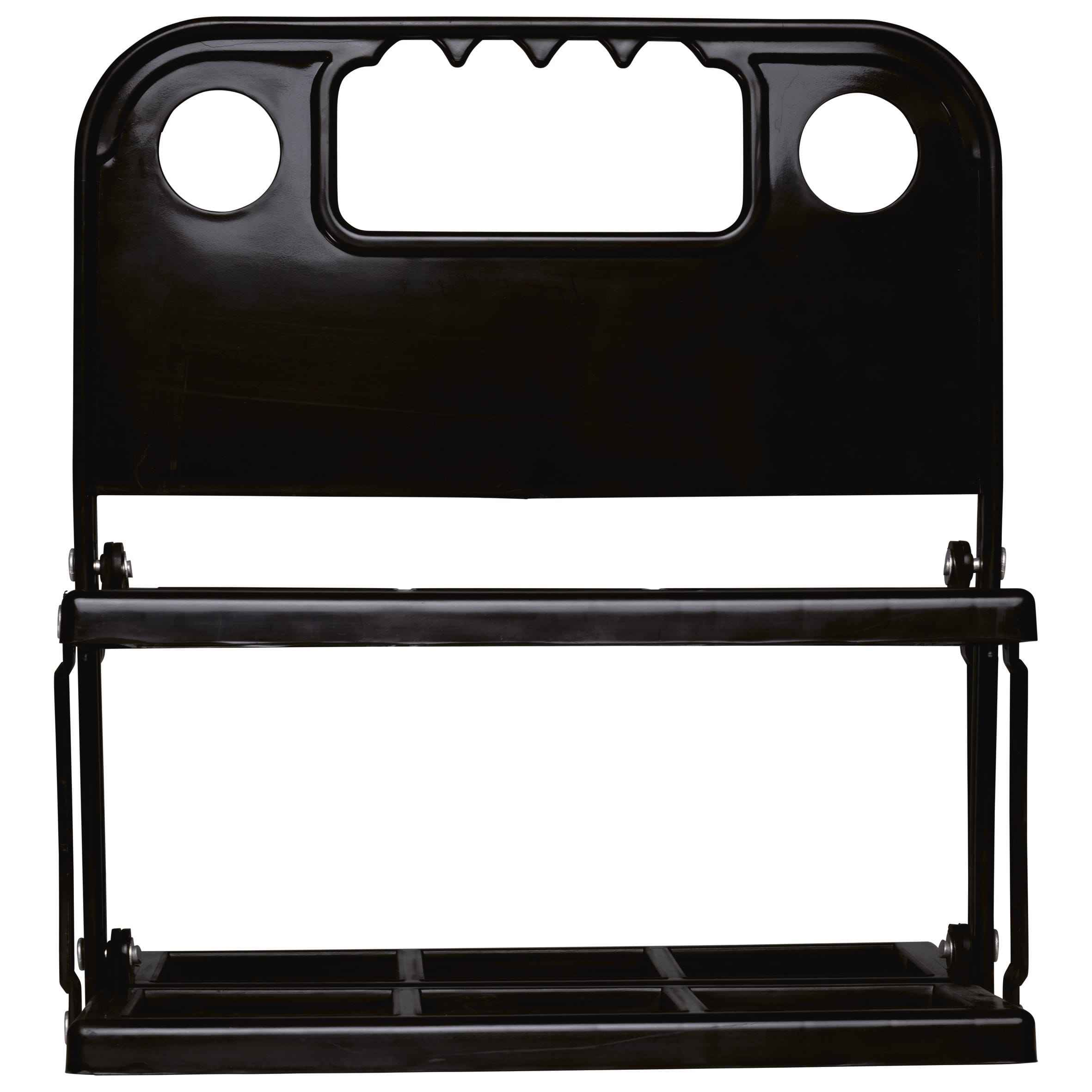
| Performance Indicator | Ordinary Mass-Produced Stamping Parts | High-Precision Custom Metal Stamping Parts |
|---|---|---|
| Dimensional Tolerance Range | ±0.05mm~±0.1mm | ±0.005mm~±0.02mm |
| Surface Burr Condition | Obvious residual burrs, easy to scratch parts | Smooth edge polishing, no harmful burrs |
| Material Fatigue Resistance | Poor, easy deformation under repeated pressure | Excellent, stable structure under long-cycle stress |
| Batch Size Consistency | Large deviation between individual products | High uniformity across full batch production |
| Surface Anti-Corrosion Ability | Simple treatment, easy rusting in humid environment | Multi-layer anti-rust coating, adaptable to harsh environments |
| Assembly Matching Rate | Frequent tight fitting or loose gaps | One-time accurate assembly, no secondary adjustment |
Hidden quality risks usually erupt after long-term continuous operation rather than initial acceptance inspection. Low-precision stamped parts seem qualified when installed, but gradual wear and structural deformation will cause equipment vibration, noise increase, and unexpected shutdown. For automated production lines, even tiny tolerance errors can interrupt continuous processing rhythm and cause huge losses in output and delivery schedules.
Material selection determines the basic service life of metal stamping components. Common low-grade iron sheets have poor toughness and corrosion resistance, while qualified stainless steel, galvanized steel, copper and aluminum alloy materials adapt to temperature changes, mechanical impact and chemical erosion. Professional manufacturers will recommend targeted materials according to actual working pressure, ambient humidity, use frequency and assembly space, avoiding waste caused by over-specification configuration or failure risks caused by insufficient material performance.
Mold design precision directly decides the final forming effect of stamping products. Unreasonable mold parameters lead to wrinkling, cracking, uneven bending and dimensional deviation of metal sheets during stamping. Mature processing technology integrates finite element stress analysis, reasonable mold gap setting and multi-step forming process, ensuring each stamped part maintains stable shape and mechanical strength without internal structural damage.
Post-processing links are indispensable guarantees for practical application value. Deburring, flattening, electroplating, passivation and bending correction all affect installation convenience and use durability. Neglecting these fine processes will greatly reduce overall product quality, even if raw materials and stamping accuracy reach qualified standards. Standardized finishing procedures eliminate potential hidden dangers and make parts adapt to more stringent industrial assembly requirements.
For bulk purchasing enterprises, cost control should focus on comprehensive life cycle cost instead of single piece price. Cheap inferior stamping parts bring frequent replacement, equipment maintenance, production downtime and after-sales troubleshooting costs, which far exceed the price difference of high-quality customized parts. Choosing stable and reliable precision stamping parts is a cost-effective long-term investment that improves overall industrial production stability.
In summary, excellent metal stamping parts are indispensable basic supporting components for modern intelligent manufacturing. By attaching importance to precision control, material quality, process details and hidden durability problems, purchasers can avoid frequent quality troubles, optimize production matching efficiency, and maintain stable and efficient operation of mechanical equipment for a long time. Reasonable customized stamping solutions always match actual application scenarios, bringing sustainable practical value to all types of industrial processing projects.